Do Artists Actually Use the Wellness Products They Sell?
In the booming world where the creator economy meets wellness, we’re seeing more artists launch or endorse wellness products—from supplements to skincare to meditation apps. But the big question lingers: do these artists actually use the wellness products they sell, or is it all just a polished marketing act? Let’s dive into how brand authenticity plays out amid brand partnerships, licensing deals, and fan trust, especially on platforms like Instagram and Hint.app.
The Intersection of Creators and Wellness: A Perfect Match?
The wellness industry is hot; predicted to hit $8.5 trillion globally by 2030. Creators have huge built-in audiences hungry for lifestyle advice and authentic recommendations. So, it seems like a natural marriage when artists co-create or promote wellness lines.

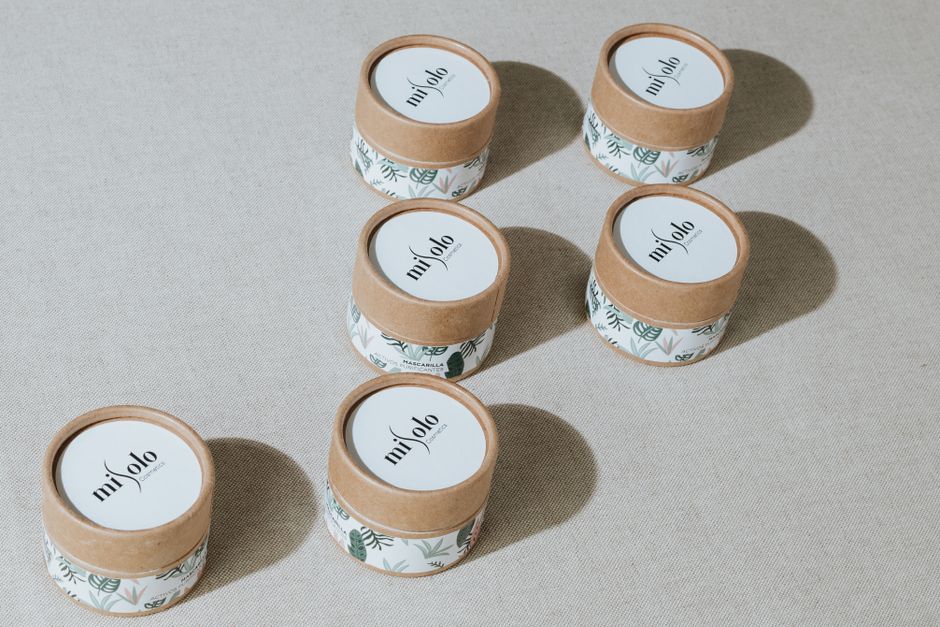
But here's where it gets interesting: wellness isn’t just about products. It’s a lifestyle, mindset, and trust game. For an artist, aligning with wellness means staking some brand authenticity on the line. Fans expect more than just a good beat or a catchy lyric—they want a glimpse behind the scenes.
Creator Economy Tools: Spotlight on Instagram and Hint.app
- Instagram: The art of parasocial marketing is at its peak here. Artists share their routines, wellness moments, workout snaps, and sponsored posts—sometimes soapboxing their favorite supplements or yoga mats.
- Hint.app: A newer kid on the block, this platform helps creators build micro-communities and share authentic experiences with their products while cutting through cluttered feeds.
Both tools illustrate the tension between genuine use and sponsored messaging. The question is—do these snapshots and stories reflect genuine wellness practices or a curated image?
Brand Partnerships and Licensing: Collaborative or Detached?
There are two main routes artists take to wellness product lines.
- Brand Partnerships: Artists work closely with established wellness brands, lending their name and face. Sometimes they participate in product development. Here, authenticity can be higher, but it depends on how involved the artist really is behind the scenes.
- Licensing Deals: Artists lend their name to a product, but the brand handles creation, marketing, and sales. In these cases, the artist may barely know the ingredients or if they truly use the product—raising red flags for brand authenticity.
For example, some celebrity-endorsed supplements never seem to get a mention outside sponsored ads. Others pop up in candid routines, suggesting actual use. The distinction is subtle—but crucial.
Behind the Scenes: Who Makes This Stuff?
One of my pet peeves is vague claims like “detox” or “holistic energy” with zero proof or detail—and brand stories that bury the lede on product origins. Good wellness products have clear ingredient sourcing and manufacturing transparency.
Artists involved in development can often spill the beans on who’s making the product, where it’s sold, and how they personally incorporate it into their lives. When you see that kind of openness on Instagram Stories or Hint.app updates, it bolsters trust.
Fan Trust, Parasocial Connections, and Sponsored Messaging
Fans today are savvy—they love when their favorite artist shares a wellness tip, but they also smell inauthentic pitches a mile away. Here’s where parasocial marketing complicates things:
- Fans build one-sided relationships with artists, sometimes treating endorsements as personal recommendations.
- But sponsored posts can come off as sales pitches rather than heartfelt tips.
- Transparency in sponsored messaging is key: citing partnerships, sharing honest reviews, and posting unfiltered behind-the-scenes makes a huge difference.
For instance, artist-led Instagram Lives how to read skincare labels where they demonstrate using the product in real time score big points on authenticity. Conversely, overly polished commercial shoots that feel disconnected from the artist’s daily life tend to backfire.
Spotting Real Usage Versus Marketing Spin
Here are some red flags and green flags to help figure out if an artist genuinely uses the wellness products they promote:
Green Flags Red Flags Sharing candid, unscripted stories of personal wellness routines on Instagram Only featuring products in static ads with no context or usage demonstration Answering fan questions about product effects and behind-the-scenes creation Vague or generic “detox” claims with no explanation Involvement in product development or co-creation processes Rare or no mention of the product outside paid promotions Using platforms like Hint.app to build community dialogue around product use Licensing deals where artists have limited knowledge of ingredients or sourcingPopular Wellness Product Categories Artists Endorse
From what I’ve observed, artist-driven wellness products typically fall into these categories, each with varying levels of authenticity perception:
- Supplements and Vitamins: High risk for skepticism without transparency. Ingredient know-how is rare outside serious wellness advocates.
- Skincare and Beauty: Often easier to demonstrate personal use through photos and tutorials.
- Mental Wellness Apps and Tools: Artists discussing their meditation or sleep routines can add authenticity here, especially with real-time app walkthroughs.
- Fitness Gear and Wearables: When artists post workout clips using their own branded mats or trackers, it rings true.
Where Artists Hit the Mark
One of the best case studies is when artists openly share imperfections and struggles alongside product promotion—like admitting a product helped them manage stress or establish a nightly ritual. This vulnerability nurtures brand authenticity and deepens fan connections.
Wrapping It Up: Do Artists Actually Use Their Wellness Products?
The honest answer is—it varies widely.
While many artists clearly integrate the wellness products they endorse or co-create into their lives—showing this through transparent behind-the-scenes content on Instagram or engaging communities on Hint.app—others engage only in licensing deals or brief, scripted promotions that feel detached.
For fans and consumers craving brand authenticity, the key lies in:
- Spotting genuine, unscripted use across social media
- Understanding the depth of artist involvement in product development
- Demanding clear, specific details instead of vague wellness claims
- Appreciating when artists share their wellness journeys, not just cosmetics
At the end of the day, wellness is much more than a product line—it’s a lifestyle and a relationship of trust. When artists honor that, their brands don’t just sell—they inspire.