How Do I Split My Session into Tracking Now and Decisions Later?
If you’ve ever pulled an all-nighter mixing or tracking in a small studio, you already know the curse of the infamous “2 AM decisions.” That late-night creative surge can feel like a blessing, but come morning, many of those “brilliant” choices sound like a tutorial on what not to do. As a recording and mix engineer with over a decade of late-night studio experience, I’m here to tell you: the secret to a healthy and productive session workflow is learning to print later decisions — that is, tracking at night, but postponing the key mix and edit decisions until well rested.
The Magic and Myth of Late-Night Creativity
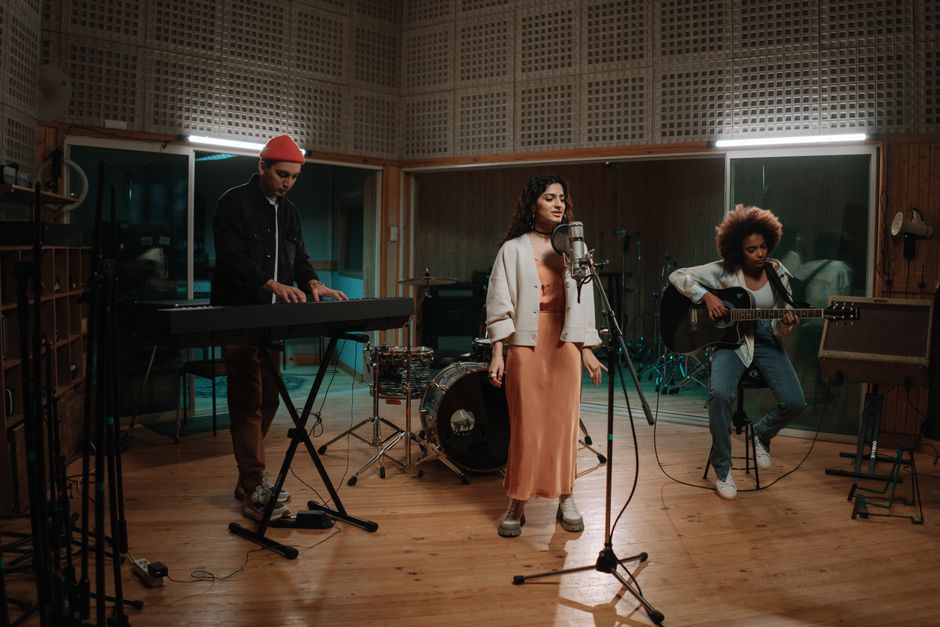
There’s a psychological phenomenon called the synchrony effect, where your brain’s peak creative energy can kick in at odd hours — often late at night. Tracking vocals, tweaking guitar amps, laying down drums, or experimenting with synth patches as your brain strays from the day’s distractions can be incredibly inspiring.
However, that same magic often comes bundled with a mix of cognitive pitfalls:
- Ear fatigue and temporary threshold shift: After hours in the studio, your ears become less sensitive, often making you boost volume or frequencies to compensate.
- Loudness creep and monitoring habits: Gradually increasing levels as your perception shifts is almost inevitable, but dangerous for nuanced tracking and mixing.
- Sleep deprivation and bad studio decisions: Exhaustion clouds judgment, making it tough to tell what genuinely sounds good versus what merely feels exciting.
Why Splitting Your Session Into Two Phases Works
By design, the best studio workflow is to capture your performances and edits when that late-night vibe hits, but hold back on major creative decisions and mixing choices until the next day, after some solid rest. Printing your tracks and ideas now—and revisiting them with fresh ears later—will save you morning light exposure circadian rhythm from countless re-mixes and regrets.
Step 1: Track Now — Focus on Performance and Technical Capture
The goal during your late-night tracking session should be to capture the best possible raw performances with technical precision, not to finalize tonal choices or mixing moves. Here are a few key tips:
- Set up your studio monitors at a reasonable level. Avoid the temptation to push them louder and louder as fatigue sets in; moderate volume helps preserve your ears and prevents loudness creep.
- Take regular breaks. Every 30-45 minutes, step away and stretch, hydrate, or clear your mind to mitigate ear fatigue.
- Use quality ingredients for your wellbeing. For those extra late or early-morning sessions, consider natural aids like Joy Organics CBD Sleep Gummies to help reset your sleep pattern after the session.
- Document your session notes. When you hear a passage that sounds promising, jot down timestamps, rough balance suggestions, or processing ideas to revisit with fresh ears.
Step 2: Decision Later — Revisit Your Session with Fresh Ears
The next morning, or after a restorative sleep, your ears and mind will be significantly more reliable tools for the critical listening that mixing demands. This part of the session workflow is where you:
- Analyze performance takes and select the best ones.
- Address tonal balance and frequency adjustments.
- Establish dynamics control, automation, effects processing, and spatial positioning.
Why Morning Mix Revisions Are Golden
Sleep deprivation affects your auditory processing. Mixing or editing in this condition tends to foster bad habits:
Sleep-Deprived Mixing Symptoms Mornings (Well-Rested) Mixing Benefits Easily fooled by artificially bright or loud sounds More accurate perception of frequency balance Strong urge to increase volume and compression Better restraint and taste around dynamics Less critical focus on arrangement and space Improved ability to make structural decisionsIntegrating Monitoring Habits to Avoid Loudness Creep
One of the sneaky side effects of long nights is the gradual increase in listening volume — loudness creep — which can cause premature ear fatigue and skewed mixing choices. To counter this:
- Keep your studio monitors calibrated at a target decibel level (e.g., around 85 dB SPL peak for tracking).
- Wear quality isolation headphones for occasional cross-reference.
- Use pink noise or test tones at regular intervals to reset your ear’s perception of loudness.
Why Ear Health Is a Critical Part of Your Session Workflow
After years working long shifts, I learned the hard way that the only way to protect your hearing—and your creative sanity—is to respect ear fatigue and temporary threshold shifts. These auditory phenomena temporarily reduce your sensitivity, often causing you to overcompensate with volume, boosts, or compression, all of which do permanent damage if unchecked.

Natural supplements can sometimes help with overall well-being and sleep quality. For example, Joy Organics CBD Sleep Gummies promote relaxation and restorative sleep, further helping you avoid the pitfalls of late-night read more sessions.
Summary: An Effective Session Workflow for Better Mixes
- Track now: Capture performances cleanly with attention to technique but avoid deep mixing decisions.
- Rest well: Take a night off or a few hours’ sleep to refresh your ears and mind.
- Print later decisions: Revisit session tracks and rough ideas next day, apply edits, mixes, and automation with clarity.
- Maintain healthy monitoring habits: Set reasonable volume levels and schedule breaks to minimize ear fatigue and loudness creep.
- Use supportive aids cautiously: Consider natural supplements like CBD sleep gummies from Joy Organics to aid recovery, but always verify quality and certificates of analysis.
By splitting your session into distinct phases—tracking now, decisions later—you honor both the physical limitations of your ears and the psychological clarity your best work requires. The 3 AM mix is a myth; the 10 AM mix is reality. Embrace that rhythm, and your sonic results will thank you.
```