Puzzles vs Word Games: Which Is Better for Quick Sessions?
In today’s fast-paced world, smartphone gaming has carved a niche as the go-to pastime for busy adults and teens alike. According to recent Ofcom reports, millions of users engage in quick, casual gaming bouts during short breaks — think commuting to work or a lunch break. Two of the most popular genres for these “downtime gaming” moments are puzzle games and word games. https://highstylife.com/why-do-classic-games-like-chess-and-cards-survive-every-trend/ But which is better suited for short play sessions, and why?
Understanding Smartphone-Driven Gaming Habits
Smartphone gaming has evolved beyond the obsessive “grinding” sessions popularized by the deep, immersive titles of the early 2010s. Now, players need instant gratification with quick pick-up-and-play mechanics. MR Q (available at mrq.com) is an example of a platform that excels in creating games tailored for short sessions and familiar mechanics, aligning closely with these https://dlf-ne.org/is-mr-q-worth-trying-if-you-like-familiar-slot-mechanics/ habits.
According to Ofcom’s findings, roughly 40% of smartphone users play games actively during daily commuting or other short downtime windows. These sessions often last between 5 to 15 minutes, making ease-of-entry and rapid progress key criteria for game selection. Both puzzle games and word games boast qualities that cater to these needs, but there are subtle differences worth exploring.
Defining Puzzle Games and Word Games
Puzzle Games
Puzzle games typically challenge players with problem-solving tasks that involve logic, pattern recognition, sequence solving, or spatial reasoning. Popular examples include tile-matching games like Bejeweled, physics-based puzzles like Angry Birds, and number arrangements such as Sudoku.
Word Games
Word games revolve around language skills — spelling, vocabulary, anagram solving, and quick thinking with letters. Titles such as Words With Friends, Scrabble GO, and daily word challenges like Wordle have elevated this genre especially during the COVID-19 pandemic when at-home gameplay spiked.
Key Criteria for Downtime, Short Play Sessions
When deciding which game genre better suits quick play sessions, it’s useful to weigh multiple factors:
- Instant Pick-Up-and-Play: How quickly can a player jump into the game without lengthy setup, tutorials, or loading screens?
- Familiar Mechanics and Low Learning Curve: Does the game rely on intuitive, widely known gameplay mechanics?
- Session Structure: Are the game rounds or challenges designed to fit neatly into 5–15 minutes? Can you pause anytime?
- Engagement and Challenge: Does the game maintain interest without becoming frustrating or too demanding? Does it reward quick thinking or problem-solving in small doses?
How Puzzle Games Fit into Short Sessions
Puzzle games typically excel at quick, satisfying challenges. Their mechanics often rely on pattern matching or logic puzzles that players can grasp easily. Games like Candy Crush Saga have become archetypical examples of immediate engagement — opening the app means jumping right into a level with no setup required.
In platforms like MR Q, puzzle games are often tailored to allow for rapid completion of levels or mini-challenges — ideal for smartphone gaming during a lunch break or while commuting. The visual feedback and rewarding sounds also strengthen the quick dopamine hits many casual players enjoy.
However, some complex puzzle games may require a longer mental investment, which could conflict with typical short sessions. Titles demanding extended strategic planning or multiple-step solutions might not be as well-suited for on-the-go play.
How Word Games Fit into Short Sessions
Word games tend to have very low barriers to entry. Because most players are already fluent in their language, the gameplay revolves around exercising knowledge and quick wit rather than learning complicated controls or rules.
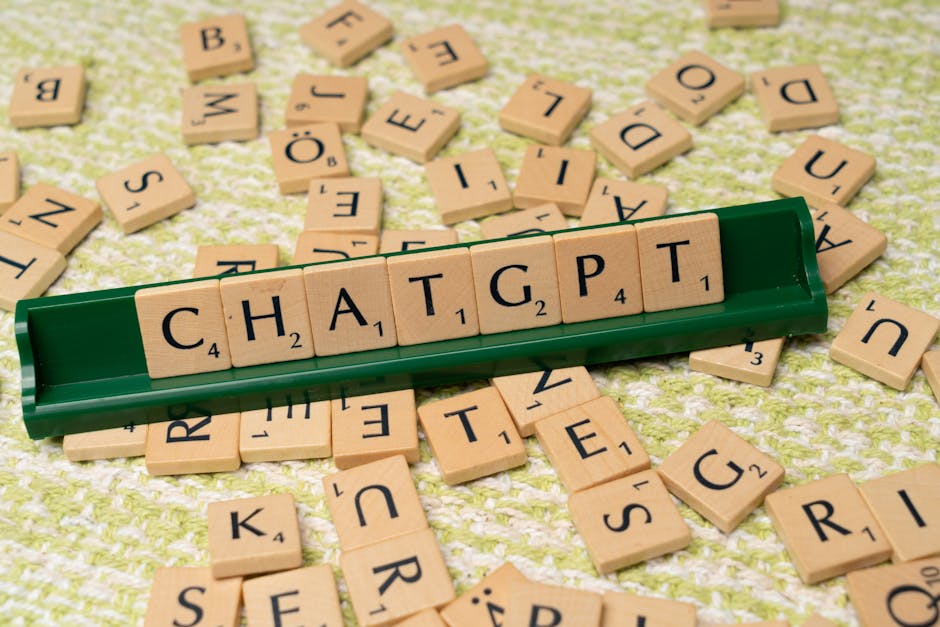
Games like Wordle or Words With Friends offer easy, familiar platforms to test vocabulary with minimal distractions. They are perfect for the short bursts offered by smartphone gaming during lunch breaks or even quick five-minute challenges on the train.
Moreover, word games sometimes engage social or competitive layers — asynchronous multiplayer matches, daily puzzles, or leaderboards — making them highly replayable without demanding lengthy continuous sessions.
Comparing User Experience During Quick Sessions
Feature Puzzle Games Word Games Instant Pick-Up High — many games start immediately, minimal setup Very High — often one screen, instant gameplay Learning Curve Varies — simple combos easy, complex puzzles harder Low — relies heavily on existing language familiarity Session Length Fit Good — many levels designed for 5-15 min rounds Excellent — rounds or puzzles designed for quick solves Engagement Type Logic and pattern recognition Vocabulary and quick thinking Replayability Moderate to High — varying levels and challenges High — daily word puzzles and multiplayer boosts replay Distraction Level Low — but some require sustained focus Low — generally easy to pick up and pauseIndustry Insight: How Companies Like MR Q Leverage These Preferences
MR Q (mrq.com) is a leading example of a game platform that taps into the demand for short-session, smartphone-driven gaming. Their library mixes word games and puzzle games crafted specifically for casual players who want interruptions to be minimal and progress frequent.
Their user analytics, consistent with broader Ofcom data, show that players tend to favor games that allow them to engage meaningfully within their limited free time, such as lunchtime or short commutes. MR Q's modular game design, familiar interface, and easy resumption capabilities make it a prime choice for anyone juggling quick gaming with daily responsibilities.
Which Is Better for Quick Sessions? The Verdict
Both puzzle games and word games have distinct advantages for quick sessions:
- Puzzle games excel in providing visually engaging challenges with reward feedback loops that motivate completing level after level. They’re great for players who enjoy logical problem solving and a sense of accomplishment after each mini-game.
- Word games shine with their simplicity and reliance on existing language skills, making them especially accessible and instantly rewarding. Their social and competitive elements add a layer of motivation that fits perfectly into short bursts of play.
For smartphone gaming during lunch breaks or commuting to work, the best choice depends on your personal preferences. If you want something fast-paced and mentally stimulating with minimal learning curve, word games may edge out as the preferred option. If you enjoy colorful, tactile gameplay and the satisfaction of solving logic puzzles, then puzzle games will serve your short sessions well.

In either case, both genres adapt fluidly to modern smartphone habits, delivering instant pick-up-and-play experiences that slot into the natural rhythm of downtime gaming.
Tips for Making the Most of Short Play Sessions
- Choose games with save-anytime features: This allows you to pause and resume without losing progress during unpredictable downtime.
- Look for daily challenges or level limitations: These encourage completing short sessions while providing fresh content continually.
- Set personal goals: Even brief sessions can be rewarding if you aim to solve one puzzle or one word challenge per break.
- Mix genres: Switch between puzzle and word games to keep your brain engaged and prevent monotony.
Conclusion
In conclusion, both puzzles and word games offer excellent opportunities for anyone looking to enjoy short bursts of smartphone gaming. Their familiar mechanics, instant access, and engaging challenges align perfectly with the modern player’s lifestyle. Thanks to data from organizations like Ofcom and innovative platforms such as MR Q, it’s clear that your ideal quick session gaming experience is just a tap away — whether you prefer solving logical sequences or crafting clever words.
So, next time you have five minutes during your commute or lunch break, try both genres and see which one fits your rhythm best. Either way, you’re in for centered, rewarding entertainment designed for the modern multitasker.