What Does It Mean When Marketing Becomes Part of the Entertainment Experience?
In today’s rapidly evolving media landscape, the lines between marketing and entertainment are blurring. What used to be clear-cut chunks—watch a film or show, then see ads or promotions—has given way to a more integrated, immersive experience. For viewers and audiences, marketing is no longer a separate interruption; it’s stitched into the entertainment itself, enhancing engagement and participation.
This phenomenon is especially visible in sectors like film, TV, and digital media, where new technologies enable creators and marketers to collaborate more closely than ever before. Vancouver and the broader British Columbia (BC) region have become a hotbed for this convergence, thanks to cutting-edge applications of virtual production, real-time visualization, visual effects (VFX), and animation.
Digitization of Film and TV Workflows: The Foundation of Integration
Behind this seamless fusion of marketing and entertainment is a revolution in how content is produced. Digitization—turning traditional film and TV production processes into digital workflows—has made every step more agile, collaborative, and data-driven. This shift facilitates not only more visually spectacular work but also adaptive promotional strategies tightly aligned with the content itself.
Some key impacts of digitization on workflows include:
- Early-stage content adaptation: Marketing teams now work alongside creative production from day one, using digital tools to create promotional clips and social media layers as scenes are shot or animated.
- Agile feedback loops: Thanks to cloud-based collaboration platforms, creators can release teaser content online, gather audience reactions, and refine marketing assets in near real-time.
- Cross-departmental collaboration: VFX studios, animators, editors, and marketing specialists coordinate using the same digital media, reducing time gaps between production and promotion.
In BC, where companies specializing in VFX and animation have become global leaders, these workflows are vital competitive advantages. Their https://dlf-ne.org/what-does-virtual-production-actually-mean-for-a-vancouver-shoot/ digital readiness accelerates content-to-market cycles and helps deliver integrated audience experiences that transcend traditional boundaries.
Virtual Production and Real-Time Visualization: Changing the Game
Virtual production and real-time visualization are two technological pillars supporting the new entertainment-marketing hybrid. Understanding them sheds light on how marketing no longer just follows entertainment but becomes part of it.
Virtual Production Explained
Virtual production refers to a filmmaking method where digital environments and live action are combined interactively on set. Using large LED screens, motion tracking, and game engine software (like Unreal Engine), filmmakers can project realistic backgrounds and visual effects that adjust instantly as actors move.
For marketing, virtual production offers several advantages:
- Behind-the-scenes (BTS) content: Since virtual production setups are visually impressive, they themselves become shareable promotional material.
- Customizable shots for social media layers: The digital nature of virtual sets allows generating exclusive perspectives or alternative angles tailored for promotional clips across platforms.
- Interactive fan experiences: Events and streamed content can incorporate live adjustments to environments, creating unique moments that engage audiences more deeply.
Real-Time Visualization and Its Marketing Role
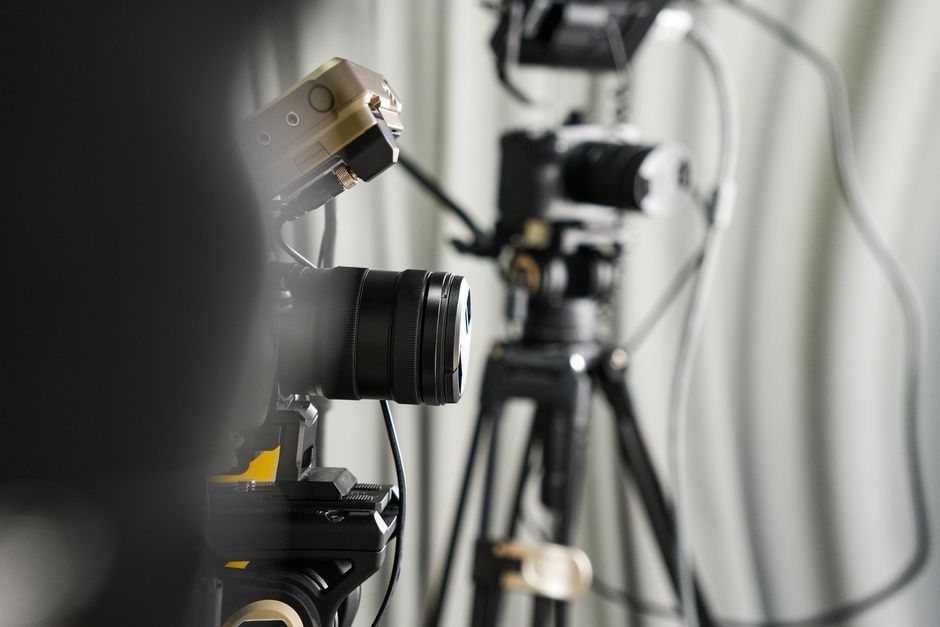
Real-time visualization means rendering detailed computer-generated imagery instantly as changes are made, often using game engines. This capability contrasts with traditional VFX workflows where rendering can take hours or days. In BC, where animation and VFX houses thrive, real-time visualization boosts both creative and promotional agility.
Its marketing impacts:
- Faster creation of promotional clips: Trailers and social media content can be updated on the fly, responding to audience feedback or trending topics.
- Enhanced audience engagement: Real-time visuals enable live virtual events or interactive ads where viewers influence the content.
- Immersive branded experiences: Brands can partner within entertainment properties to insert interactive product placements or create parallel digital spin-offs supported by real-time graphics.
VFX and Animation: BC’s Secret Weapons in the Entertainment-Marketing Fusion
British Columbia’s film industry has long been recognized for high-quality VFX and animation, supporting productions ranging from Hollywood blockbusters to independent series. These capabilities give BC-based projects an edge when integrating marketing into entertainment.
Why VFX and animation are vital:
- Seamless blending of story and promotion: For example, animation can add social media layers directly to scenes, like a character scrolling through in-universe apps featuring sponsor messages or real-world hashtags.
- Highly sharable content: VFX-heavy scenes often generate buzzworthy moments that marketers can tease in creator content and promotional clips.
- Cross-platform versatility: Animated or VFX-driven elements can be adapted for VR, AR, mobile apps, and more, expanding audience engagement opportunities.
The Rise of Interactive Digital Media: A Major BC Creative Industry
The integration of marketing and entertainment is part of the broader growth of British Columbia’s interactive digital media industry, which includes video games, mobile applications, virtual reality, and web-based experiences. According to industry reports, this sector contributes significantly to BC’s creative economy, providing thousands of jobs and attracting international investment.

In interactive media:
- The line between creator and consumer blurs: Fans often become co-creators, generating content influenced by or integrated into marketing campaigns.
- Marketing is embedded in the gameplay or story: Strategies include branded virtual goods, event sponsorships, and narrative extensions that drive both engagement and sales.
- Social media layers amplify reach: Sharing in-game achievements or promotional clips featuring branded content fuels a viral cycle linking entertainment and marketing.
Social Media Layers, Creator Content, and Promotional Clips: The New Tools for Audience Engagement
Central to marketing’s integration into entertainment experiences are social media layers, creator content, and promotional clips. These elements coexist and reinforce each other, creating continuous interaction loops between audiences, creators, and marketers.
- Social media layers: These are graphic overlays or interactive features embedded within video content designed explicitly for sharing on platforms like Instagram, TikTok, or Twitter. For example, a “swipe-up” link embedded in a show scene directs viewers to exclusive merchandise or bonus scenes.
- Creator content: Influencers, actors, and even fans produce and share original media ranging from reaction videos to behind-the-scenes footage. When integrated with official marketing, creator content offers authenticity and extended reach.
- Promotional clips: Short, strategically designed video segments highlighting key narrative moments, product placements, or teaser content. Thanks to digitized workflows and real-time visualization, these can be customized quickly for multiple platforms and audiences.
These formats foster ongoing audience engagement that feels personal and participatory, rather than passive. Audience members respond, share, remix, and become part of the marketing-embedded entertainment cycle.
Conclusion: Embracing a Holistic Entertainment-Marketing Ecosystem
The integration of marketing into the entertainment experience is more than a trend; it's a structural transformation facilitated by technological innovation, digitized workflows, and evolving audience expectations. In BC’s creative industries, virtual production, real-time visualization, VFX, and animation combine to support this shift. Interactive digital media further extends opportunities to engage audiences in meaningful, brand-friendly ways.
For content creators, marketing professionals, and studios in Metro Vancouver and beyond, embracing short-form video promotion this holistic ecosystem means rethinking traditional roles and collaborating across disciplines. For audiences, it results in richer, more immersive entertainment experiences where the social media layer, creator content, and promotional clips become part of the fun—not interruptions.
In an industry where global streaming services make platform decisions far beyond local borders, BC’s unique strengths in technology and creativity keep its film and digital sectors competitive and cutting-edge. Ultimately, when marketing becomes part of entertainment, it is the digitally savvy, creatively integrated projects that will captivate and retain audiences in this new era.