Why Did Vegas Hotel Interiors Look So Dramatic Back Then?
Walking into a Las Vegas hotel during the mid-century boom felt like stepping into another world—a kaleidoscope of rich colors lighting, patterned carpets, and polished surfaces designed to dazzle at every turn. But what made those interiors so striking, so unmistakably of their era? Let’s unpack the key reasons behind the dramatic look of Vegas hotel interiors, especially from the 1950s to the 1970s. Along the way, we'll also address some common misconceptions about what information was typically provided to visitors and mention some industry voices like Fifties Web, Smithsonian, and MrQ casino to give context.
The Postwar Resort Boom on the Strip
The story begins after World War II. Between the late 1940s and early 1960s, Las Vegas transformed from a modest desert town into a bustling entertainment capital. The postwar resort boom was spurred by returning soldiers, rising American affluence, and the advent of the Interstate Highway System, which made the city more accessible. The Sands (opened 1952), Sahara (opened 1952), and Desert Inn (opened 1950) led the charge with enormous investment in architecture and design, setting a tone that others soon followed.
According to Fifties Web, this was a time when every new hotel and sammy davis jr vegas casino needed to outdo the last. Owners knew that to stay competitive, interiors had to be more than just comfortable—they needed to be immersive experiences that captured the imagination.
Resorts as All-In-One Entertainment Ecosystems
Unlike typical hotels, Las Vegas resorts positioned themselves as all-in-one entertainment ecosystems. Guests didn’t just come to sleep or gamble. They came to dine, shop, see shows, and indulge in nightlife—all within one lavish environment.
- Showrooms and production shows: These were major draws. The venues designed to showcase stars like Frank Sinatra, Dean Martin, and others were plush, intimate, and theatrical.
- Restaurants and bars: Lavishly themed and often elaborately decorated to complement the ambiance of performances.
- Gaming floors and lounges: Bright, lively, often with neon signs inside, making the atmosphere electric.
Smithsonian archives emphasize that Las Vegas resort interiors were designed to keep guests engaged and spending money, with no reason to step outside. This was part of why the interior design was so theatrical—one space flowed seamlessly into another, each adding to the overarching spectacle.
Neon Signage and Attention-Grabbing Architecture Influenced Interiors Too
The exterior spectacle of neon signs and flamboyant architecture didn’t exist in isolation. They set the stage for equally dramatic interiors.
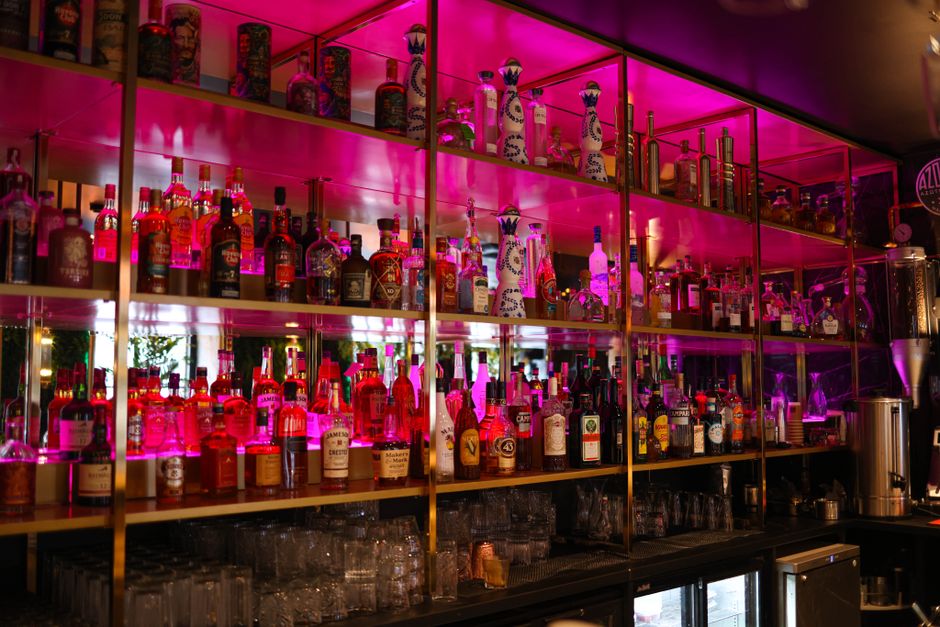
Neon’s intense glow became a motif indoors as well. Lighting wasn’t just functional; it created moods, highlighted architectural features, and even served as part of the “show.” Shades of neon blues, reds, and greens illuminated corners, bar backs, and ceilings. Polished surfaces reflected and multiplied these colors, adding depth and energy.
This interplay of lights and reflections was complemented by rich colors lighting schemes and intricate patterns. Particularly notable were the patterned carpets—bold geometric designs in reds, golds, and turquoises that created a visual "carpet" of energy underfoot.
Why Such Bold Carpets?
Carpets served multiple purposes. Their busy, abstract designs:
- Concealed wear and tear from the high foot traffic.
- Discouraged guests from darting straight out the door—psychologically encouraging longer stays.
- Added to the immersive sensory experience, stimulating the senses without overwhelming them.
MrQ casino, in their historical overviews, often points out how the carpeting and polished marble or metal surfaces were curated for their elegance and durability—imperative for the volume and expectations of mid-century Vegas crowds.
Common Misconceptions: What Visitors Actually Knew
One common mistake in nostalgia-fueled accounts is to imagine that brochures, ads, or programs from the time included ticket prices, room rates, or exact show schedules. They didn’t. This omission was intentional.
Much like today’s best marketing plays, Vegas resorts preferred to keep pricing and showtimes vague in advance. The idea was to lure curious visitors in, then upsell on location. The mystique of the “price upon arrival” was a tactic to maximize guest spend—not to annoy but to heighten anticipation.
Visitors relied more on word-of-mouth, personal recommendations, or local newspaper listings rather than packaged price lists. This strategy also allowed resorts to dynamically adjust based on demand and crowd size, a flexibility essential to the daily economics of the Strip.
Polished Surfaces: The Unsung Heroes of Vegas Glamour
While carpet and lighting often get the spotlight, the prevalence of polished surfaces inside these hotels deserves a mention. Marbles, chrome, and lacquered woods weren’t just about luxury—they served functional and visual purposes:
- Reflectivity: Polished floors and counters bounced light back into rooms, enhancing the illumination by neon and colored lamps.
- Cleanability: Casinos required materials that could hold up under constant cleaning and crowds.
- Modernity: Chrome fixtures and glass paneling projected a sleek, futuristic vibe that meshed with the optimism of the era.
This combination of materiality with colored lighting created a sparkling, shimmering environment that contributed to what many describe as the “Vegas magic.”
Conclusion: The Drama Was Designed
The dramatic interiors of Vegas hotels from the postwar period were never accidental. They were carefully curated environments built to entertain, mesmerize, and keep visitors circling through casinos, lounges, showrooms, and restaurants. The use of rich colors lighting, the artistry of patterned carpets, and the gleam of polished surfaces contributed to a total experience that became a hallmark of the Strip’s mid-century heyday.
By understanding the historical context—especially the postwar resort boom, the need for immersive entertainment, and marketing choices like withholding prices—we can appreciate why those interiors looked so bold and dramatic. They were part of an ecosystem designed to captivate visitors from the moment they stepped inside.
For further reading, the archives of Fifties Web, exhibitions by the Smithsonian, and the contemporary retrospectives found on MrQ casino offer deeper glimpses into the architecture, décor, and culture that defined classic Vegas resort interiors.