Why Do Movies Still Matter When I Can Just Play Games?
In an age where every pocket-sized device doubles as a gaming console and streaming services flood us with endless content, it's easy to wonder: why bother with movies at all? After all, video games promise active involvement, interactive stories, and sometimes, seemingly endless adventures. But movies remain essential cultural touchstones that offer experiences you simply can’t replicate by mashing buttons or grinding levels. If you’ve ever found yourself debating what to do on a Friday night—stream a film or dive into a game—this post is for you.
Streaming Services and Mobile Devices: The New Entertainment Landscape
The rise of streaming platforms like Netflix, Disney+, and HBO Max has transformed how we consume movies. No longer confined to theaters or DVD rentals, movies are now instantly accessible on mobile phones, tablets, and smart TVs. Meanwhile, mobile gaming exploded in parallel, with phones capable of hosting intricate games once reserved for high-powered consoles and PCs.
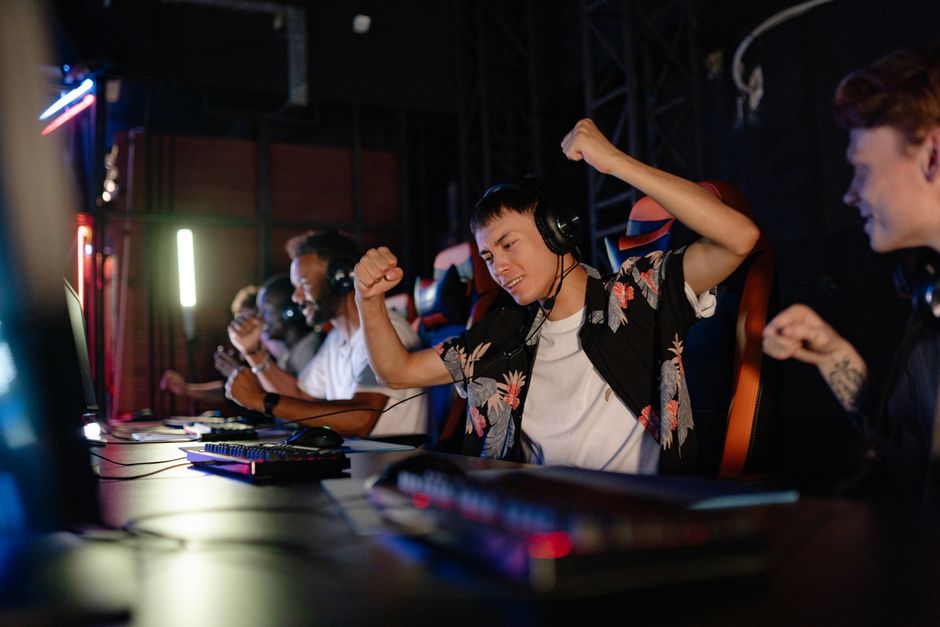
These shifts encourage "platform switching"—the seamless toggling between watching, playing, and browsing—often within the same evening. But this very convenience brings a challenge: attention fragmentation. Choosing between a movie or game can feel less about preference and more about managing choice overload.
Passive Viewing vs Active Participation: Different Ways to Engage
At the core, movies and games offer fundamentally different experiences:
- Movies as Passive Viewing: Movies invite you to sit back and absorb a carefully crafted narrative, guiding your emotions and thoughts. Sure, you follow along, but the creators control the pacing, tone, and focus. This can result in very powerful, lasting emotional impressions.
- Games as Active Participation: Games put you in the driver’s seat. Your input influences outcomes, your skills shape progress, and sometimes your decisions sculpt entire story arcs. This interactivity can create a strong sense of personal agency but sometimes diffuses the shared emotional journey.
Both have their merits. But where movies excel isn’t just in storytelling—it’s in cultural resonance.
Movies as Cultural Touchstones
Movies have long acted as shared experiences, pivotal moments, and conversation starters in society. From classic films that define generations to recent blockbusters that dominate social media trends, they create communal reference points:
- Lasting Impressions: A well-crafted film can haunt your thoughts long after the credits roll, prompting discussions about themes, characters, or societal issues.
- Shared Conversations: Because movies are designed to be experienced collectively—whether in theaters or over streaming nights—they often prompt widespread commentary, meme culture, and debate. This shared cultural capital can deepen social bonds.
- Cross-Generational Bridges: Movies provide a rare media form that can be appreciated across age groups and interests, making them a go-to choice for family or friend gatherings.
While gaming communities also bond over shared experiences, the sheer accessibility of movies makes them a more universal nickrise.com platform for shared cultural moments.
Mix-and-Match Entertainment Evenings: Why Not Both?
One exciting trend is blending games and movies into the same entertainment session. For example:
- Start with a film to set the mood or spark conversation.
- Switch to lighter, social multiplayer games on mobile devices after the movie ends.
- Return to a movie or TV show as a wind-down activity.
This mix-and-match approach leverages the strengths of both mediums while combating attention fragmentation. Streaming services make this easier than ever—you can queue up a film via an app on your tablet, then effortlessly switch to a mobile game, then back again, all without needing multiple devices.
Streaming Convenience and the Risk of Choice Overload
Today’s movie libraries feel infinite. With hundreds of films instantly available on your phone or TV, picking “what to watch” often becomes the biggest roadblock. This paradox of choice can push users towards games, where objectives and tasks are more clearly defined.
Yet, streaming platforms continuously improve recommendation algorithms and curated playlists to help combat this overload. The instant availability of movies can also encourage spontaneous viewing decisions that lead to discovering unexpected favorites, an experience games don’t easily replicate.

Final Thoughts: Why Movies Still Matter
Movies offer irreplaceable emotional depth, communal meaning, and cultural value that active gaming participation complements but doesn’t replace. They create shared language and memories that persist in ways games, with their individualized interactivity, often cannot.
If you find yourself stuck between scrolling through your game library and browsing streaming catalogs, consider this: movies are still the prime source of stories that shape who we are together. Games offer thrilling participation, certainly—but movies remain the pulses of cultural heartbeat, ready to move you with a single well-told story.
So next time you grab your mobile device, perhaps start with a great movie to anchor your evening, then pick up a game for a change of pace. Both have their place, but movies still matter—now more than ever.