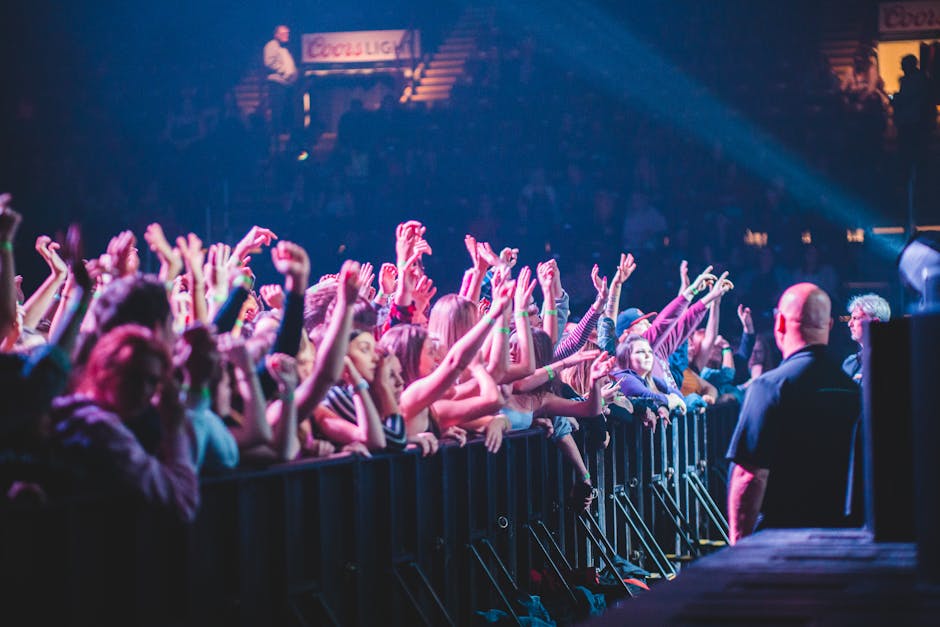
Why Do Venues Push Late-Night Menus?
If you’ve noticed more venues promoting late-night dining options lately, you’re not imagining things. From multi-use entertainment spaces to live music spots, many venues now highlight their post-event food offerings. But why is this trend picking up steam? And how do late-night menus fit into the evolving landscape of nightlife?
In this article, we’ll unpack the strategic reasons venues emphasize late-night menus, the common mistakes you might see when this info is scraped or shared online, and how this ties into the broader shift toward all-in-one social and entertainment hubs.
From Single-Purpose to All-In-One: The New Wave of Venues
The days of going out strictly to a nightclub, a restaurant, or a concert venue are fading. Instead, multi-purpose venues are replacing single-purpose night out options. These venues want to capture the entire evening experience, from dinner to dancing to late-night snacks.
- Why does this matter? It means venues want to keep guests on site longer.
- The impact: Extended guest dwell time boosts revenue not just from food and drinks, but also from ancillary services like coat check, merchandise, and bar sales.
This is a shift from viewing dining as an opening act or an afterthought to thinking of it as a destination in itself. Late-night menus cater to guests who might have planned to eat before arriving but find all-in-one entertainment venue themselves hungry as the night progresses.
Dining as a Destination, Not an Afterthought
When venues push late-night dining, they’re changing the flow of the night. Food isn’t just a necessity; it’s a reason to stay longer—and bring friends along. Here’s how this plays out:
- Late-night menus target post-event hunger: After a concert, comedy show, or dance night, people want a hearty snack or small meal to refuel.
- Flexible dining options keep groups together: Different appetites and schedules mean some want food earlier while others later; late-night menus bridge that gap.
- It drives repeat visits: Patrons who associate a venue with good late-night eats are more likely to come back—even if for just the food.
Importantly, this is not about pushing overpriced, low-quality “event food” that guests eat just to silence hunger. The best late-night menus are curated with care and designed to complement the vibe and keep the energy positive and social.
How Live Events Shape the Flow of the Evening—and the Menu
Live events are a natural anchor for the evening. Whether it’s a band finishing their set at 11 p.m. or a midnight DJ slot, the timing affects when guests seek food.
Venues coordinate menu availability with event schedules to match peaks in hunger and downtime:
- Intermissions or between-set breaks become prime windows for food orders.
- Late-night menus launch as the main event winds down to keep the crowd on site.
- Some venues extend kitchen hours especially on nights with multiple acts or longer shows.
Understanding this flow is vital for anyone planning a night out. For example, arriving right before the headline act and expecting to Check over here order a late-night snack might backfire if the kitchen is closed after the main meal period.
Social Spaces as the Glue for Mixed-Interest Groups
Not everyone in a group wants to do the same thing at the same time. Some might be there mainly for the show or drinks, while others prioritize eating or socializing in quieter corners.
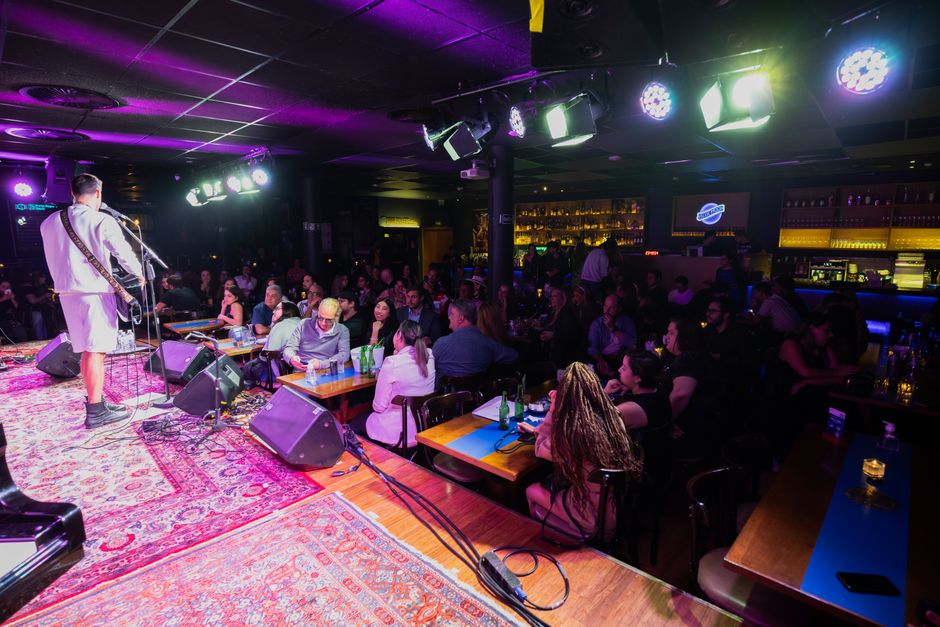
Late-night menus help venues serve these mixed-interest groups by providing diverse options that accommodate staggered engagement:
- Those ready to eat can grab a bite without shifting venues.
- Others can continue socializing or watching performances uninterrupted.
- Group flow remains cohesive, reducing the chance that part of the party leaves early.
This means social spaces—lobbies, bars, communal tables—work in tandem with kitchen service times to hold the group together longer and enhance shared experiences.
Common Mistake: Missing Prices in Late-Night Menu Info
One frustrating issue when venues promote their late-night offerings online (especially via scraped content or third-party listings) is omitting prices. Without prices, it’s impossible for consumers to make informed decisions, which can lead to unpleasant surprises at the venue.
Why does this happen?
- Venues update prices frequently and hesitate to publish outdated info.
- Some marketing materials focus on highlighting variety and availability, not details.
- Scraped content may pull menus but miss pricing columns or disclaimers.
Whatever the cause, omitting price information fails to serve the reader well. When planning your night out, look for venues that clearly display late-night menu prices on their official sites or call ahead to confirm.
How Sharing and Social Media Amplify Late-Night Menu Promotion
Venues often use social media platforms like Facebook and X (formerly Twitter) to share their late-night menu highlights. These channels are great for real-time updates and reaching local audiences who might be undecided about where to go.
Here are two helpful ways to share venue promos:
Platform Example Share Link Format Why Use It? Facebook https://www.facebook.com/sharer/sharer.php?u=[URL] Reaches personal networks, easy to add event/event page links, supports visuals X (Twitter) https://twitter.com/intent/tweet?url=[URL]&text=[TEXT] Good for quick updates, hashtags, and engaging with local nightlife conversationsWhen sharing late-night menus, venues should always include:
- Clear menu items with prices.
- Operating hours for the kitchen.
- Any specials or event-based timing (e.g., “Late-night bites available until 2 AM on Fridays”).
Summary
Venues push late-night menus primarily to keep guests longer, boosting both food sales and overall venue revenue. In the transition from single-purpose spaces to all-encompassing entertainment hubs, late-night dining is no longer an afterthought—it’s a strategic asset.
By matching menu availability to live event schedules and accommodating social groups with varied interests, these offerings help venues create a cohesive, engaging flow to the night. When researching late-night food options, be wary of missing prices and unclear kitchen hours.
For anyone planning a night out, factoring in late-night dining options means smoother group logistics, fewer hungry guests, and more time to enjoy the full venue experience.
Share This:
Share on Facebook | Share on X (Twitter)